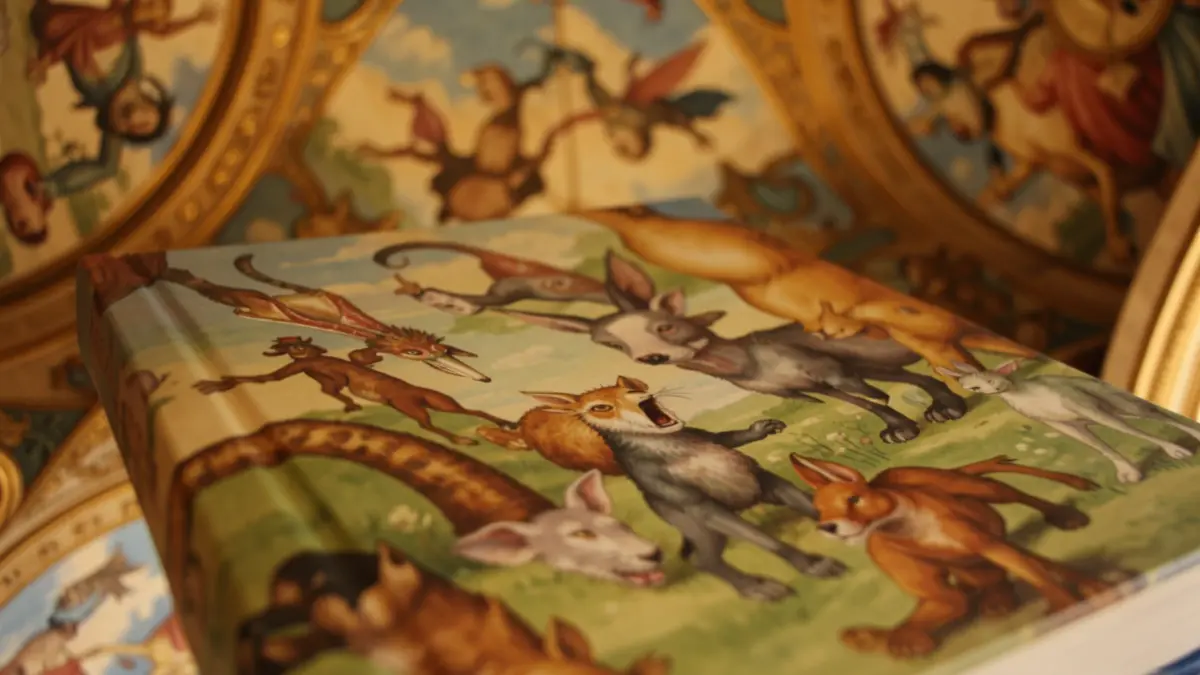
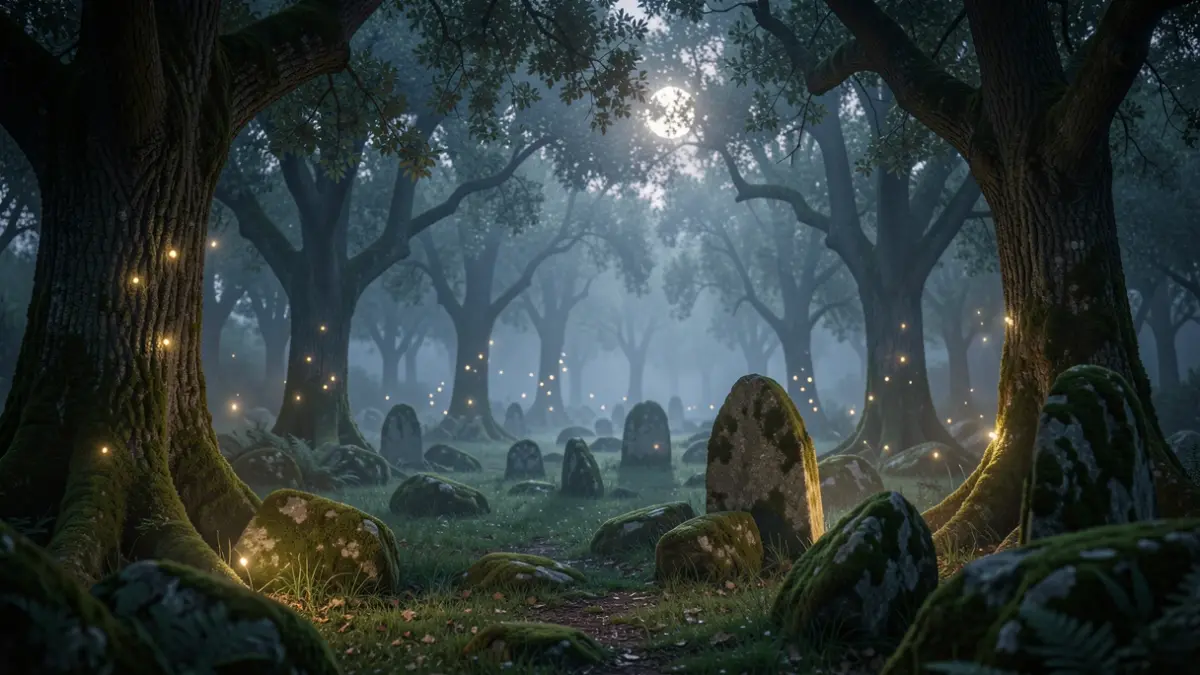
The wealth of tales and supernatural figures associated with the Aude territory has sparked reflection on its intangible heritage. Fairies, water spirits, and fantastic creatures inhabit the springs, caves, rivers, and paths, offering a different perspective on how the landscape is perceived and experienced. These legends, preserved in Occitan names, expressions, and toponyms, attest to a living linguistic and cultural legacy.
The Aude's tradition of supernatural tales and beliefs, once passed down orally, is now preserved through folklore collections. These marvelous worlds, populated by fairies, sprites, revenants, and water spirits, are more than just a bestiary; they form a system of popular beliefs that explain unusual phenomena and give meaning to mysterious places, while also conveying rules of conduct.
Fairies, known in Occitan as Las fadas, play a central role. They are described as mysterious beings dwelling in caves, woods, or near springs, often appearing at dusk or by moonlight. Their beauty and songs could captivate young men, drawing them away from the ordinary world, a belief echoed in Occitan expressions like 'Es enfadat'.
Other figures like Lo Gripet, a familiar spirit, introduce the marvelous into the domestic sphere. This creature might overturn pots or extinguish fires, but it is not truly malevolent; it can also rock children to sleep in their mothers' absence. The Gripetós, small beings in the service of fairies, complete this universe, illustrating how the marvelous could be perceived as a familiar presence.
Certain creatures serve a direct educational purpose. La Roumeco, a feared old fairy, roams at night with a bag and lantern, threatening to carry away children who refuse to sleep. La Saplièro, her rival, sprinkles sand in children's eyes to make them close their eyelids, while Lo Babau is tasked with taking disobedient children away.
These figures give supernatural form to sleep, fatigue, and fear, demonstrating how folklore could educate through narrative by transforming a parental instruction into a memorable story. These beliefs could also intertwine with folk medicine, with certain childhood ailments explained or treated through traditional remedies.
The Aude's imaginary also includes more unsettling figures. Boragogno, a dark and menacing beast, emerges at night to attack late travelers. The Trèvas are revenants said to haunt old dwellings, primarily through their nocturnal noises. Alongside them appear the Esperitons ('Little Spirits'), Lo Glari (the specter), and La Paù (personification of fear).
Lo Drac is presented as the spirit of the waters, accompanied by small beings called draquets. Each watercourse could have its own Drac, generally mischievous and cunning, enjoying playing tricks on fishermen by cutting their lines or causing them to fall into the water. With Lo Drac, the river ceases to be a mere geographical feature; it becomes an inhabited space with its own personality and power.
The Foulhet, or will-o'-the-wisp, also illustrates the transformation of a natural phenomenon into a marvelous event. These lights appearing in the darkness could be associated with the devil, prompting protective gestures like the sign of the cross or specific incantations.
Crossroads, being passage points between directions and often far from homes, were considered particularly conducive to supernatural manifestations. Crosses might be erected there to protect travelers. From Las fadas to Lo Gripet, Lo Drac to Le Foulhet, and including Las Trèvas, the Occitan vocabulary gives names to the multiple figures of the Aude's marvelous, reflecting a rich popular imagination and intangible heritage tied to the perception of the territory.
Beyond names and expressions, these narratives preserve a way of understanding familiar phenomena, interpreting the invisible, and giving meaning to places. Through these figures, a particular way of inhabiting the Aude is revealed: a territory where caves, paths, houses, woods, and rivers could be populated by unseen presences, and where the everyday could coexist with the marvelous.