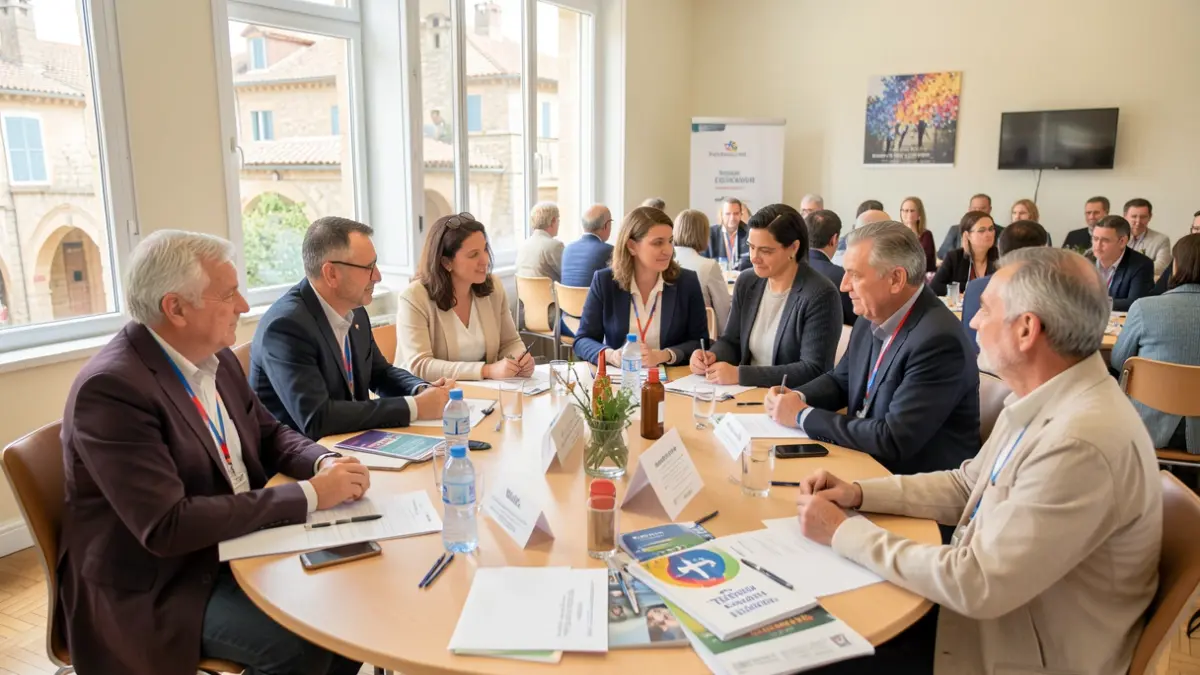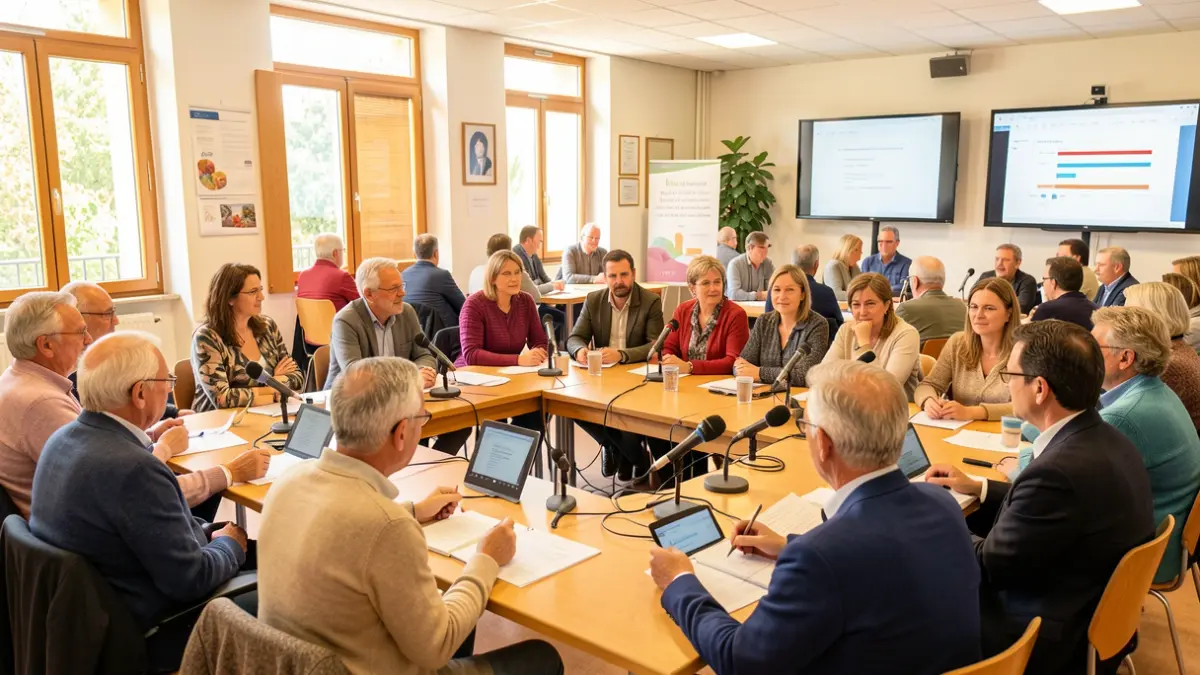
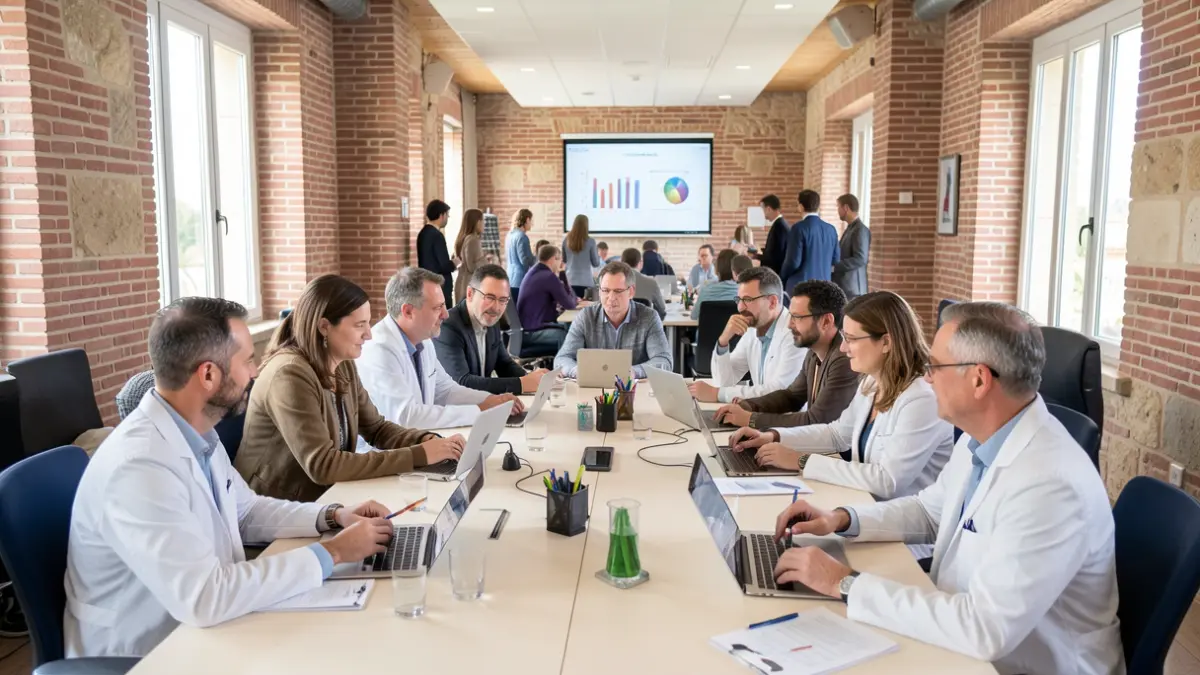
From March 30 to April 3, 2026, the Occitanie Ouest Data Workshop (ADOO) and the Open Science working group of the Toulouse-Albi library network (Toul'AO) organized a week of events focused on opening research results. The week concluded on Friday, April 3, with a round table bringing together researchers, teacher-researchers, and a research engineer from five disciplines: epidemiology, economics, physics, ecology, and computer science. These professionals shared their questions about disseminating scientific outputs in their respective fields.
Open science aims to make research results, such as articles, data, and computer code, accessible while respecting the legal framework, particularly concerning sensitive data and intellectual property. In Toulouse, the scientific community comprises approximately 9,000 researchers and 4,300 doctoral students, whose research data is highly varied (simulations, observations, experiments), thus enriching discussions.
Despite the diversity of disciplines, several common concerns emerged during the exchanges. The sharing of data and code often occurs in stages, typically at the time of article publication. The reproducibility of results, allowing others to verify and retrieve work, is a shared challenge. The sustainable reuse of data requires standard formats and adequate description, for example, through a 'data paper'. The need for support in applying FAIR principles (Findable, Accessible, Interoperable, and Reusable) and CARE principles (ethical data governance) was highlighted, as was the selection of metadata and deposit in open archives. Assigning persistent identifiers to outputs and authors facilitates their discovery and citation.
Participants also mentioned difficulties such as tool interoperability and ethical issues. Nevertheless, open science is progressing, supported by public policies and local and national initiatives, contributing to more transparent and collaborative research.
The full summary is available in open access on HAL (multidisciplinary open archive), Toul’AO (open archives of the Occitanie Ouest library network), and ADOO (Occitanie Ouest Research Data Workshop). The University of Toulouse invites researchers, doctoral students, support staff, and anyone interested to discover and share this summary.