France has recorded a record number of West Nile Virus (WNV) infections in 2026, affecting both humans and horses. These figures significantly surpass those of the previous year, which was already considered a record. The virus, primarily found in birds, can cause severe neurological complications in humans, sometimes fatal, although it is often asymptomatic.
As of September 21, 2026, over 250 equine cases and 117 human cases had been reported, exceeding the 62 cases from the previous year. Europe is also affected, with over 1,500 identified cases and nearly 80 reported deaths across the continent. The circulation of this virus, transmitted by the common mosquito (Culex pipiens), is expected to increase further in the coming weeks, favored by climate change.
Originating from Africa, the West Nile Virus was first isolated in Uganda in 1937. It likely arrived in Europe via migratory birds, subsequently spreading to resident birds. The first European outbreak was identified in France, in the Camargue region, in 1962-1963, though studies suggest circulation as early as the 1950s. Following a major epidemic in Romania in 1996, the virus spread to the United States in 1999 and then extensively across Europe, notably during the large 2018 epidemic.
This year, Italy and Greece are the most affected countries, accounting for over half of the cases identified by early September 2026. In France, 16 departments are involved, including several for the first time, such as Aude, Seine-et-Marne, and Rhône. The PACA region remains the most affected, but Nouvelle-Aquitaine and Île-de-France are also reporting new cases, indicating the virus's establishment in new areas.
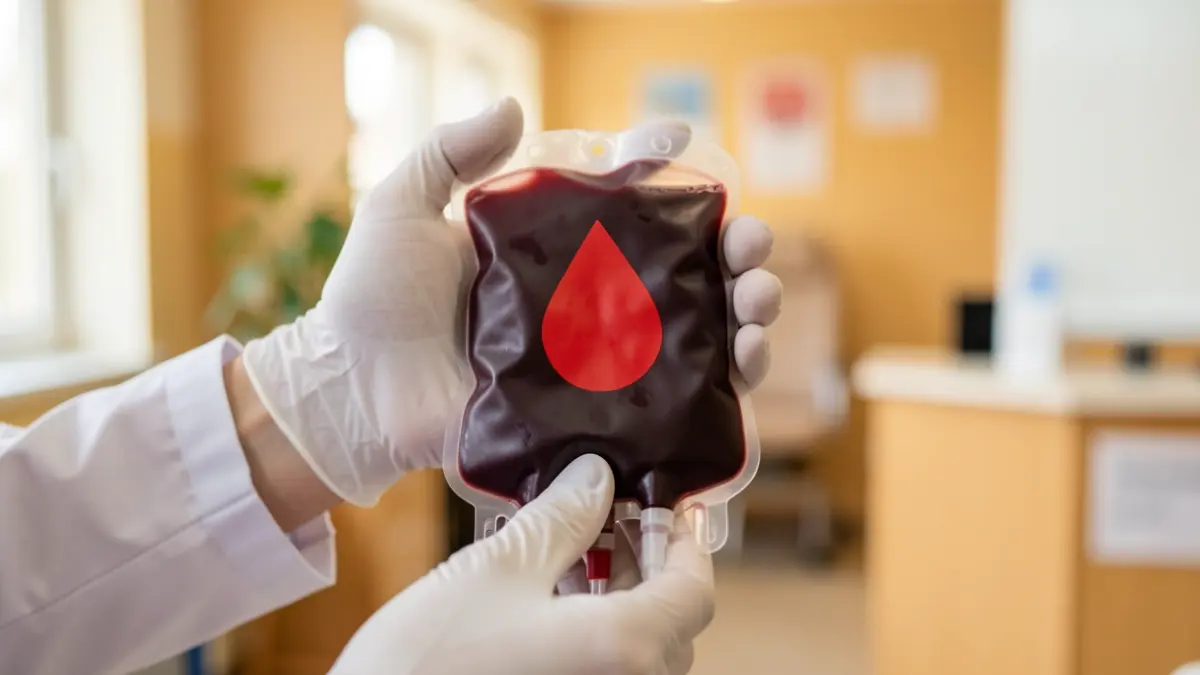
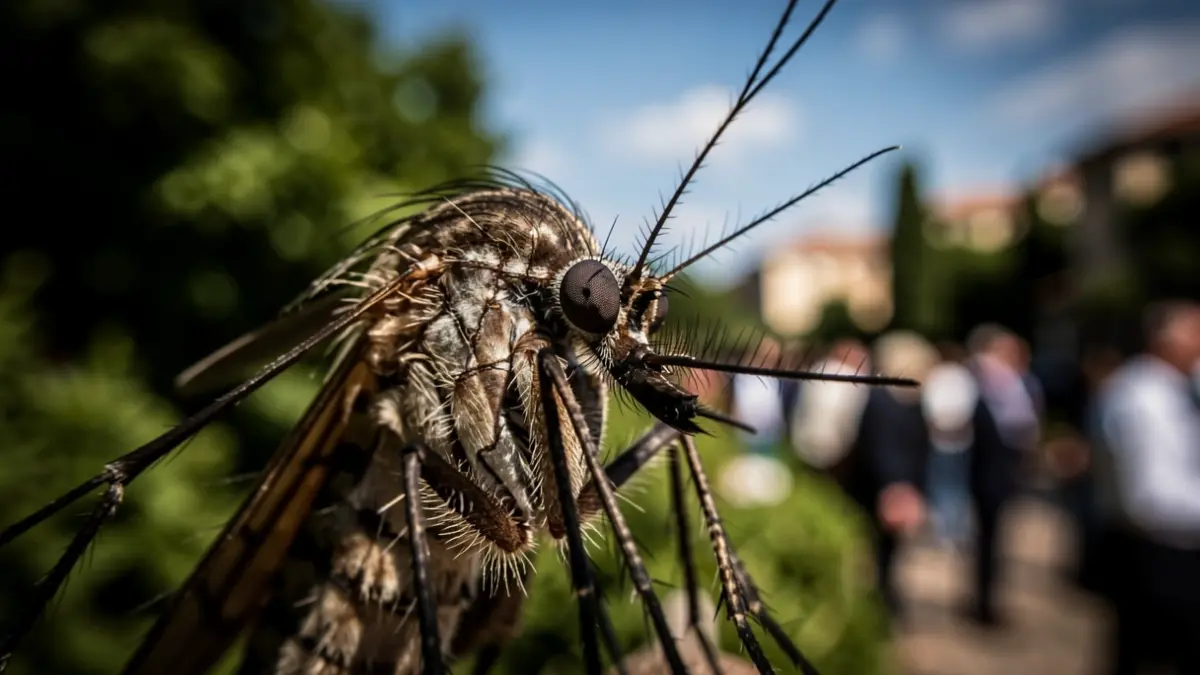
The West Nile Virus is an arbovirus transmitted by the common mosquito, Culex pipiens, found throughout French territory. Birds are the primary reservoir for the virus. Transmission to humans or horses occurs through the bite of an infected mosquito. Unlike other arboviruses, it is not transmitted from person to person by mosquitoes but can be transmitted via blood transfusion or organ transplantation, necessitating enhanced donation screening.
While the virus is often asymptomatic, approximately 20% of infected individuals develop symptoms, ranging from flu-like illness to severe neuro-invasive forms (encephalitis, meningitis, flaccid paralysis). Less than 1% of cases progress to these severe forms, which primarily affect the elderly and those with chronic illnesses. These severe forms can lead to long-lasting sequelae.
In horses, infection can cause severe neurological symptoms, with mortality rates reaching 30-40% among symptomatic animals. Diagnosis in humans is challenging due to symptom overlap with other diseases and a narrow detection window. Diagnosis often relies on antibody detection, but cross-reactions with other viruses are possible. There is no human vaccine or specific antiviral treatment.
The virus's spread is closely linked to climate change, which extends mosquito activity periods, increases their lifespan, and accelerates viral replication within them. Milder winters and heatwaves also favor mosquito survival and reproduction. Strengthening surveillance networks, particularly through the 'One Health' approach, is crucial for detecting the virus before human cases emerge. Individual preventive measures, such as eliminating stagnant water and protecting against bites, remain essential.