The municipality of Castres has decided to implement a significant restructuring of its Municipal Police, driven by a concerning deterioration in public safety observed over the past eighteen months. Mayor Florian Azéma highlighted the necessity of these investments to compensate for the state's disengagement and ensure the peace of mind of the Castres residents.
Several serious incidents have marked the recent period, indicating an alarming level of incivility and violence: mortar fire in March 2025, a knife attack in May 2025, an assault on an elderly person in November 2025, shootings linked to drug trafficking in December 2025, another shooting in April 2026, and an armed attack in May 2026.
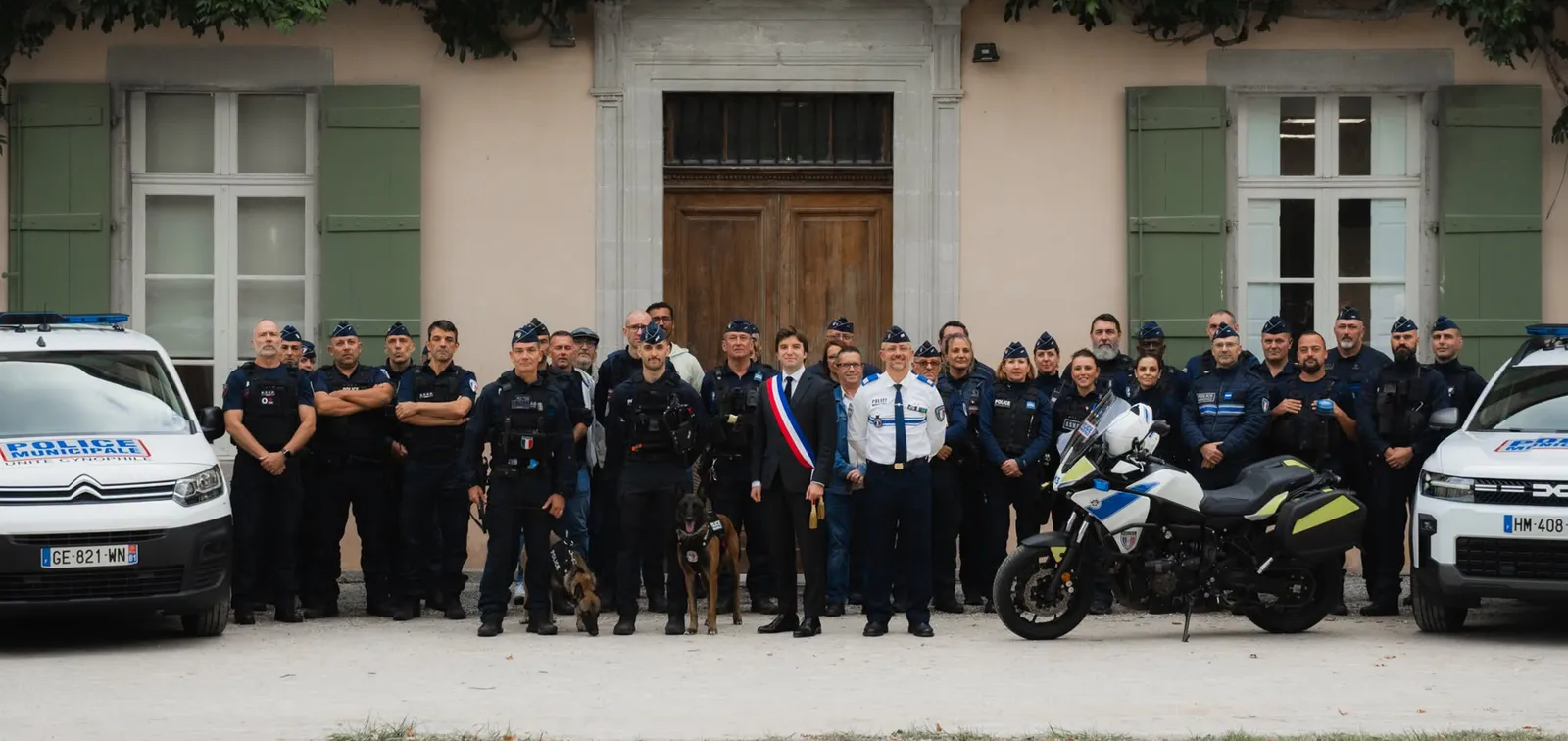
To address these challenges, the Municipal Police will be reinforced by two new officers for the night shift within weeks, increasing visible presence in public spaces. An innovative canine unit will also be established, comprising two handler-dog teams specializing in drug detection. The effectiveness of this unit is considered equivalent to five officers on the ground, due to its significant deterrent psychological impact.
Operational governance will be reorganized into two distinct poles, day and night, for improved responsiveness. A Director of Public Security will be recruited to coordinate municipal efforts. The city will also deploy a Mobile Command Post, a mobile police station, to conduct regular outreach in all neighborhoods and hamlets.
Equipment modernization includes the renewal of the Municipal Police vehicle fleet and the expansion of the video surveillance network. New cameras will be installed at city entrances and on previously uncovered squares, such as Place Soult, starting in 2026.
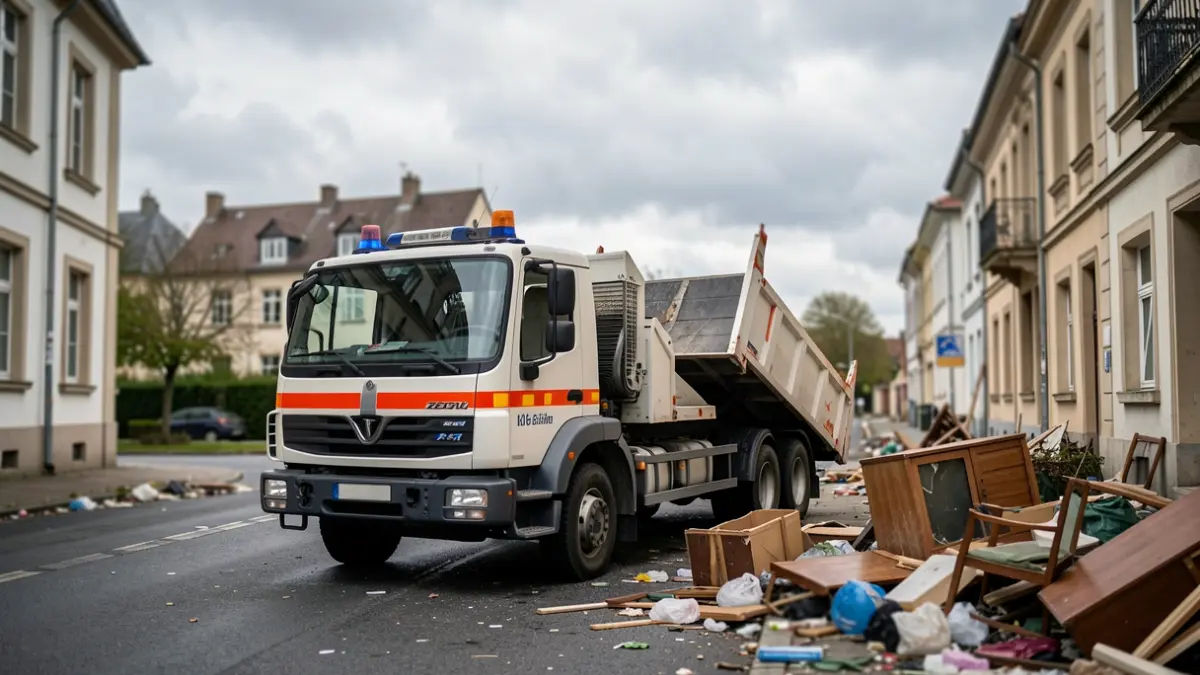
A zero-tolerance policy will be enforced against incivilities, particularly urban motorcycle stunts, involving seizure and destruction of vehicles and billing offenders. Camera traps will be installed to combat illegal dumping. Targeted patrols will also be increased in residential areas.
The commitment to animal welfare is materialized by a municipal decree allowing officers to intervene urgently to rescue animals left in vehicles during extreme heat. To date, two dogs have already been saved thanks to this measure.