In France, the principle of organ donation is based on presumed consent: every citizen is considered a donor unless they have expressed their opposition during their lifetime by registering on the national refusal register. However, when the deceased is not registered, medical professionals are required to consult their relatives to ascertain their position on organ donation.
In approximately 40% of cases, families, having not had this prior discussion with the deceased and finding themselves in a moment of intense grief, oppose organ retrieval. Although this situation may go against the law, the deceased's decision must be respected.
The key message of this day is simple: 'Among loved ones, we talk about it'. An open conversation on this topic can help ensure everyone's decision is honored, protect families, and most importantly, save lives.
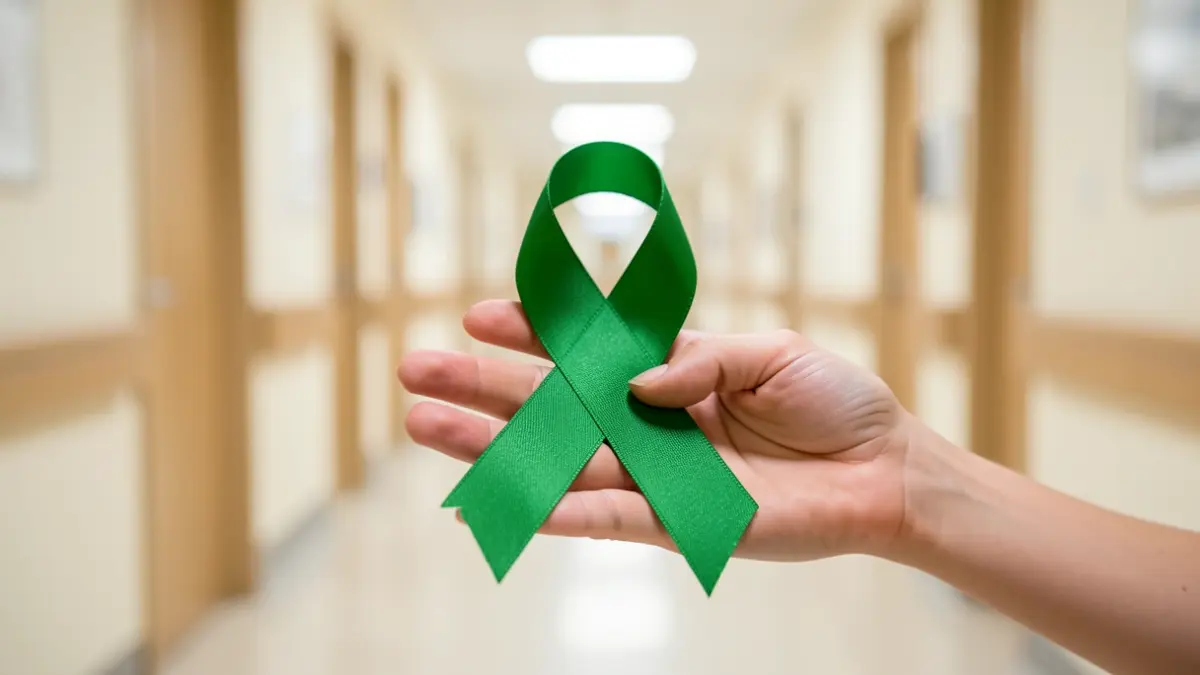
The green ribbon is the symbol of this commitment. It represents gratitude towards donors and carries a message of hope for patients awaiting transplants. It is therefore essential to share your wishes with your loved ones: parents, children, spouses, or friends. A single donor can save multiple lives.