The City of Nîmes is launching a new intervention phase on the Quai de la Fontaine to combat 'chancre coloré', an incurable disease affecting plane trees. Following a directive from state services, 13 plane trees will be felled in the coming days to limit the spread of the fungus.
This measure is part of a comprehensive approach to vigilance and renewal of the plant heritage. Starting this winter, a large-scale replanting will take place with 17 trees of six different species, selected for their better adaptation to local climatic conditions. The goal is to preserve the landscape quality, enhance plant diversity, and prepare Nîmes' canopy for future climate challenges.
Agnès Charaix-Py, deputy for greening and renaturation, emphasizes the importance of this action: 'Taking care of our tree heritage means honoring the legacy of past generations while preparing the city we will pass on to future generations.' She stresses the need for constant attention and choices adapted to climatic realities.
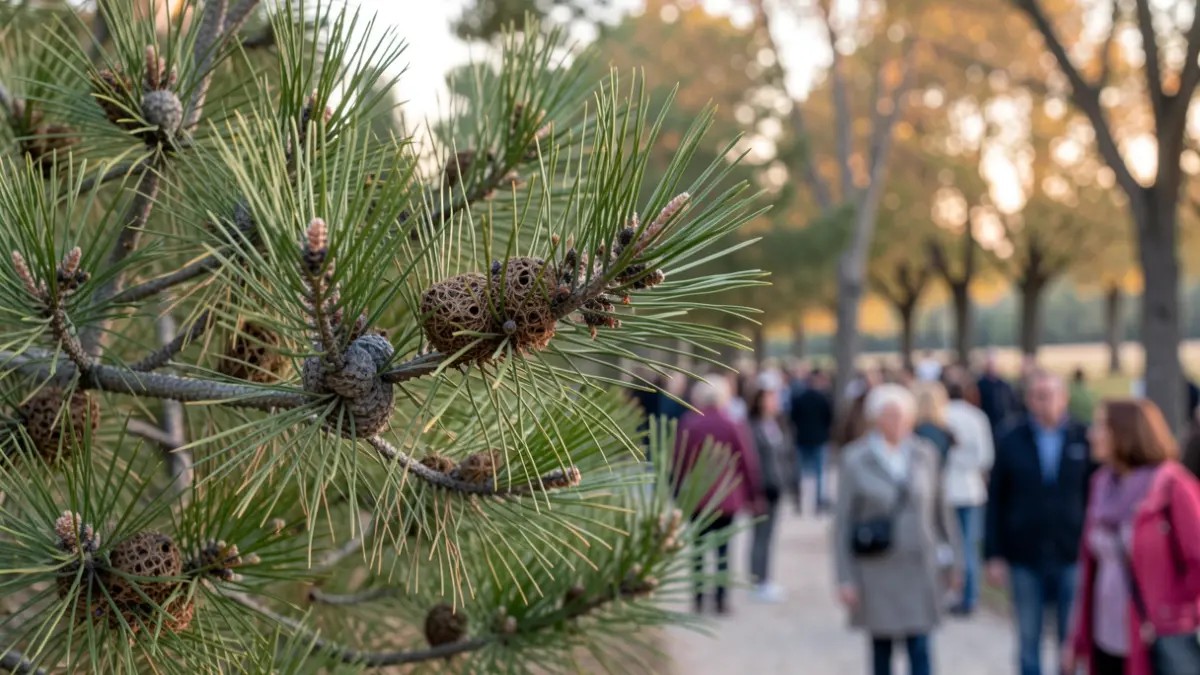
The intervention affects a total of 18 out of the 20 plane trees lining the quay. Five plane trees had already been felled and replaced in 2026. 'Chancre coloré', caused by the fungus Ceratocystis platani, has no curative treatment and is classified as a quarantine organism at the European level.
The construction project includes the felling of the affected trees, coring of the stumps, filling the cavities with wood chips, and then transporting and burning them under supervision. Enhanced surveillance of the city's tree heritage is maintained to quickly detect any new outbreaks.
This winter's replanting will include six species: the common hackberry, the thornless honey locust, the Chinese banyan, the Chinese cork oak, the Japanese pagoda tree, and the small-leaved lime. A total of 17 trees will be planted, along with shrub beds and an automatic irrigation system.
The vegetal history of the Quai de la Fontaine, which has seen elms, plane trees, hackberries, and other species succeed each other since the 17th century, continues with this new phase aimed at creating a more diverse and resilient landscape against diseases and climate change.
The overall operation represents an investment of €111,000 including tax, allocated to felling, stump coring, pit preparation, tree planting, and the replanting of shrub beds and irrigation system.