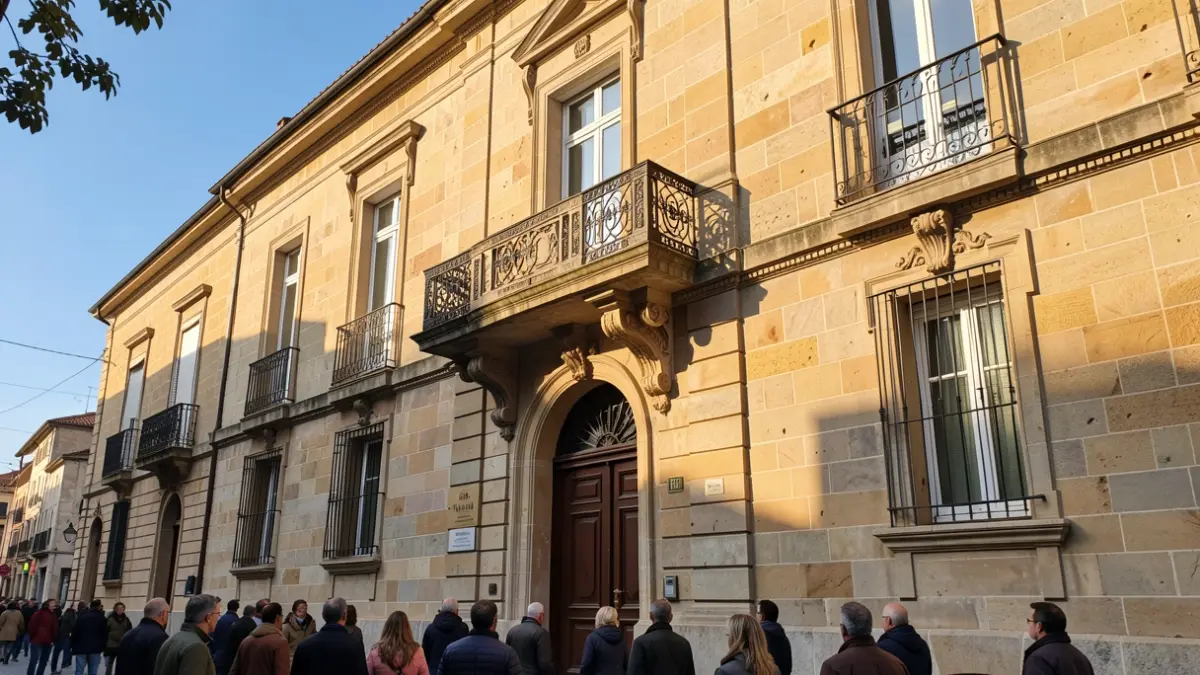
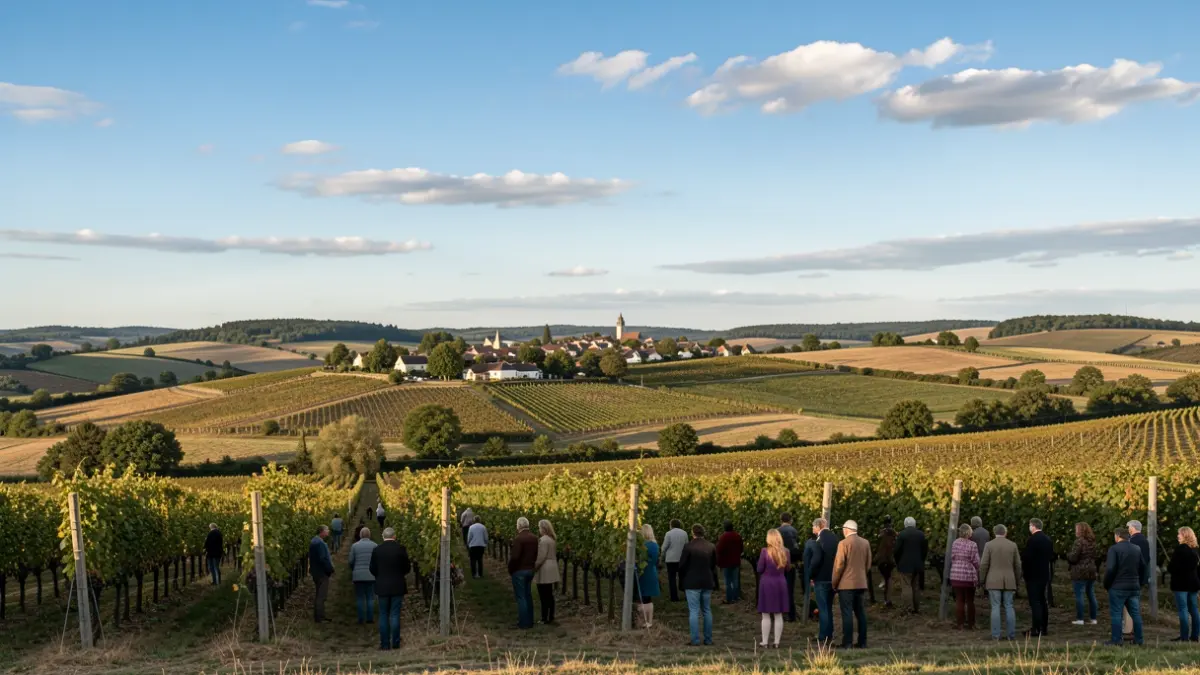
Meeting in Permanent Commission on October 16, 2026, the elected officials of the Department of Gers adopted a motion calling for a water resource security policy. The current situation, marked by historic drought in spring and summer 2026 and a worrying start to autumn, has led to an unprecedented drop in river flows. Restrictions on drinking water use have been in effect throughout the department since July 6, when the Neste and Adour systems moved to alert and then crisis levels. The threat of not being supplied with drinking water by mid-November is considered credible by the elected officials.
This situation highlights the territory's vulnerability, as more than two-thirds of the drinking water comes from river intakes fed by the Neste and Adour systems, located outside the department. Faced with the lasting evolution of the climate, the Departmental Assembly believes it is necessary to combine water savings, leak reduction, network renewal, and the restoration of natural environments with complementary solutions for conserving water.
The motion calls for making the security of Gers' drinking water supply an absolute priority, demanding the maintenance of the Neste and Adour's replenished resources, the development of network interconnection, and resource diversification. The Departmental Assembly also defends the need to recognize the necessity of water storage to meet various uses: drinking water, agriculture, industry, aquatic environment preservation, and fire prevention. Several solutions can be mobilized, such as hillside and substitution reservoirs, rehabilitation and raising of existing structures, low-flow support reserves, groundwater recharge, rainwater harvesting, and treated wastewater reuse.
The elected officials also call on the State and relevant institutions to initiate regulatory changes and use emergency procedures to reduce the time between identifying a need and completing storage works, while respecting environmental challenges.
The motion also emphasizes the need to strengthen consultation among water stakeholders at the watershed level to ensure equitable and transparent resource sharing. The Department requests that the strategic role of the Local Water Commission be clearly affirmed and that the Government's moratorium on water-related decisions within the framework of the Water Management and Planning Scheme (SAGE) be lifted.
For the Department, the challenge is clear: to anticipate future tensions and act collectively to preserve access to water, a vital resource for the inhabitants, economic and agricultural activities, and the natural environments of Gers.