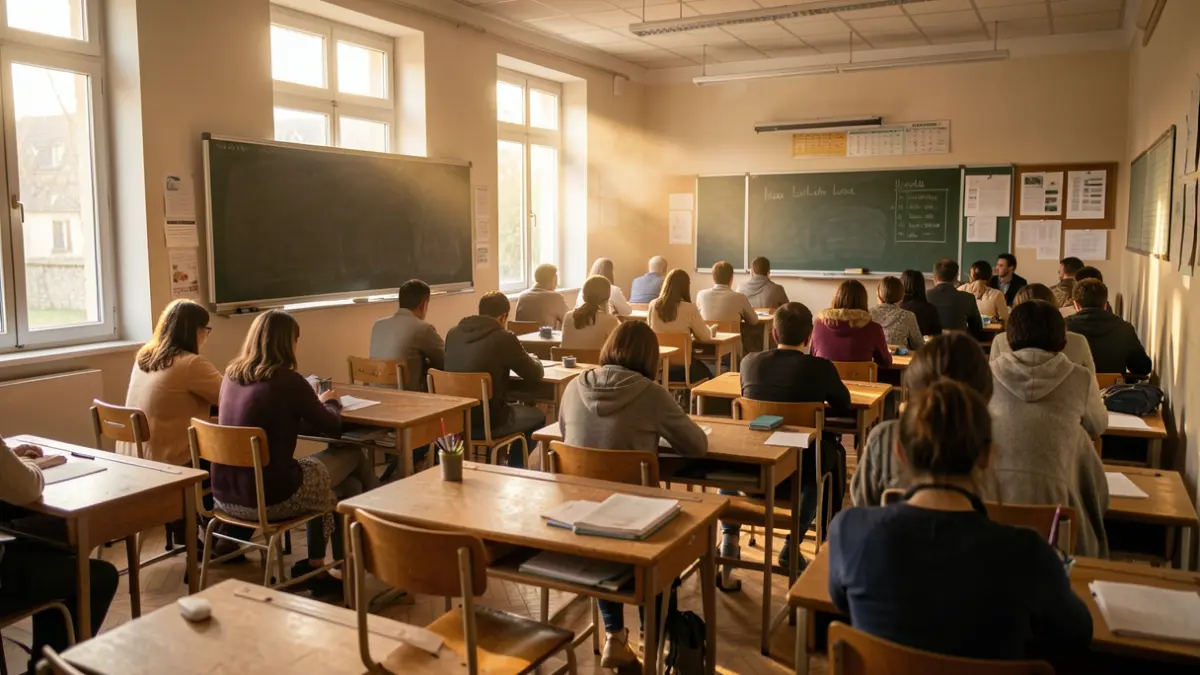
The daily routine of the waste sorting officer for the Hauts Tolosans intercommunal community (CCHT) is not limited to a single routine. His main role is to inform and raise awareness among residents about sorting rules, but he also works on the ground to monitor sorting quality and improve waste management. His duties include interventions in schools, actions at public events, and exchanges with elected officials, municipal technical services, and collection agents.
On the ground, the officer performs quality checks, follows up on collection issues, analyses data, and intervenes in cases of illegal dumping. He may also distribute information flyers or report problems to the relevant agents. The most frequent questions from residents concern the destination of waste, the necessity of sorting, the impact on taxes, and the replacement of bins.
“"Sorting more does not necessarily mean paying less tax, but it helps limit the amount of waste to be treated and thus the associated costs."
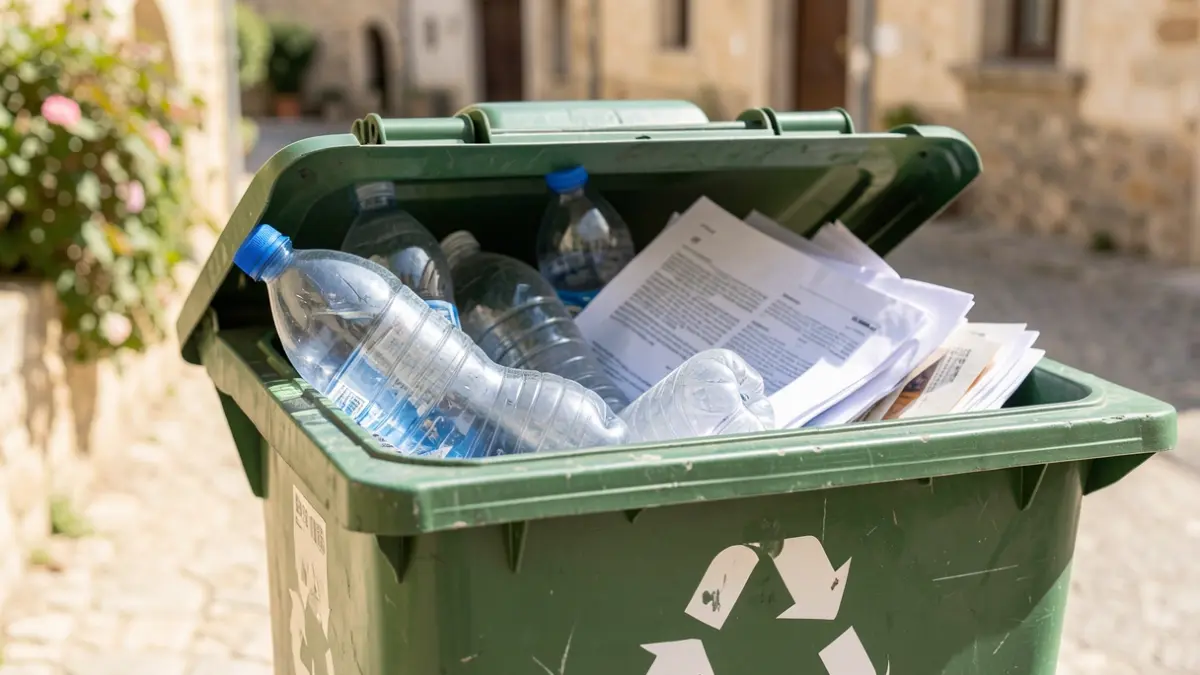
The officer points out that some errors persist, such as the deposit of glass packaging in sorting bins, even though separate collection has existed since the 1980s. He also denounces the presence of prohibited waste such as diapers, rubble, or animal carcasses, which endanger collection agents and workers at sorting centres. To improve his sorting, he advises proceeding step by step and referring to the information on the bins.
Finally, he recalls that correct sorting helps save raw materials and preserve resources. Residents can request free replacement of their bin if it is too small, too large, or broken from the waste service.