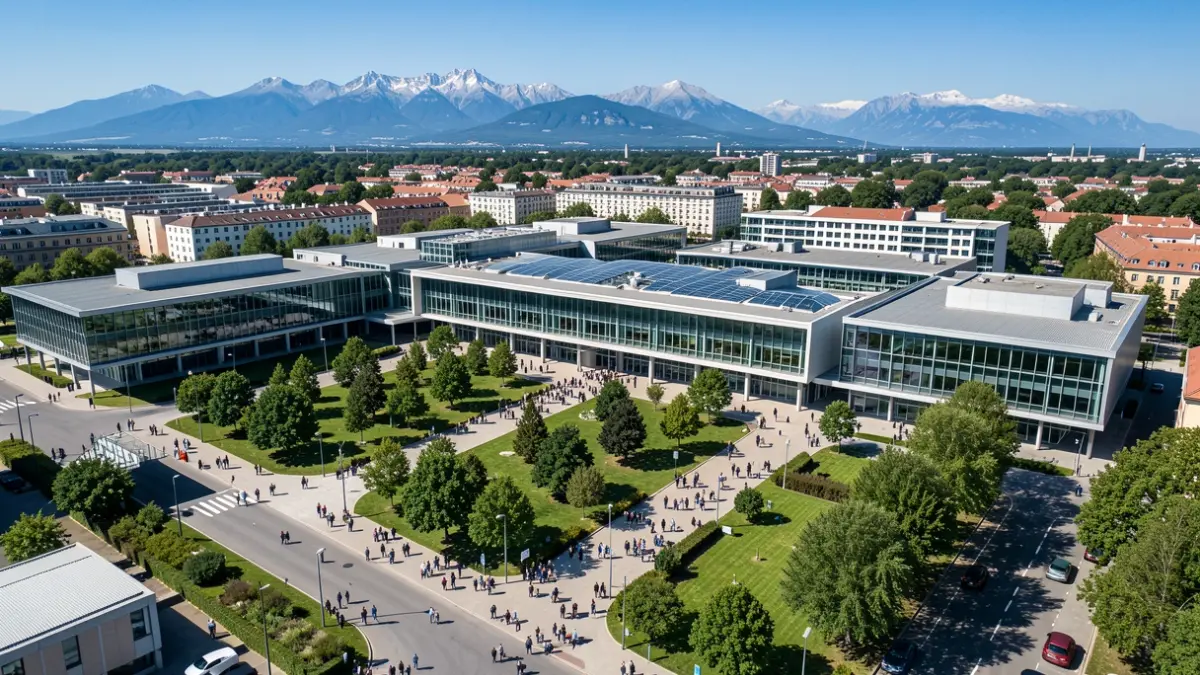

The Centre de Recherches en Cancérologie de Toulouse (CRCT), a joint unit of Inserm, CNRS, and the University of Toulouse, has had four of its teams selected for the Institut national du cancer (INCa)'s PLBio 2026 call for projects. This program is the flagship funding initiative for fundamental research in cancer biology in France. The CRCT is also a partner in three other selected projects, bringing the total funding to over 2 million euros for the Toulouse-based teams. The four projects led by the CRCT focus on the mechanisms of resistance to anti-cancer treatments, employing complementary approaches.
Resistance to anti-cancer treatments, whether primary or acquired, is a major obstacle to long-term therapeutic efficacy. Despite advances in recent decades, a significant proportion of patients do not respond or develop secondary resistance, the mechanisms of which remain partially understood. These four projects address this issue in distinct tumor contexts, including acute myeloid leukemia, melanoma, and lung cancer, reflecting the diversity of research areas at the CRCT.
One project will investigate the dialogue between chromatin and RNA splicing in treatment tolerance in acute myeloid leukemia (AML). These aggressive cancers often remain fatal due to the persistence of treatment-tolerant leukemic cells, which cause relapses. The project aims to understand how certain AML cells survive chemotherapy through non-genetic mechanisms, such as modifications in chromatin and RNA maturation, and to determine if targeting the SAGA protein complex could prevent or reverse this tolerance.
Another project will examine the role of MDM4 and sphingolipids in the response of melanoma to immunotherapy. Immune checkpoint inhibitors have significantly improved the prognosis for many patients, but a proportion remains unresponsive or develops resistance over time. This project will explore this role in melanoma models and identify MDM4–sphingolipid signatures associated with treatment response in patients.
The role of p27 in the early adaptive response to targeted therapies in bronchial cancers will also be studied. While targeted therapies have revolutionized the management of certain lung cancers, some tumor cells often escape treatment. This project seeks to understand how these cells persist from the very first hours of treatment, identifying p27 as a key player in this early response, with the goal of limiting residual disease.
Finally, the EPIMETAML project will explore metabolism-driven epigenetic dynamics in drug-resistant cell populations of acute myeloid leukemia (AML). Mitochondrial adaptations play a role in AML resistance, and certain mitochondrial metabolites may modulate this resistance through epigenetic control. The project aims to characterize these interactions and develop therapeutic strategies.
In addition to these four projects, the CRCT is a partner in three other projects supported by INCa, coordinated by external teams. These projects focus on resistance in pancreatic cancer to treatments, the role of tumor stiffness in the emergence of resistant clones, and the restoration of PTEN protein activity in various tumors. These grants highlight the diversity of CRCT's research and the quality of its national and international collaborations.