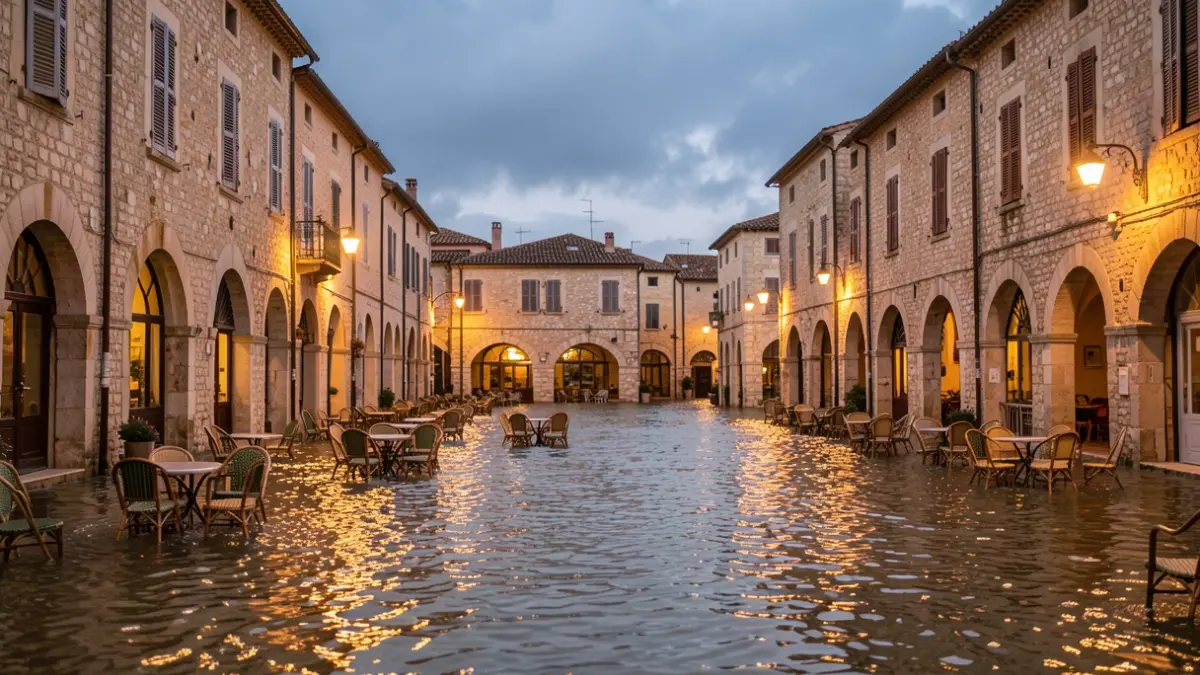
After a Mediterranean episode described as "remarkable" by Météo-France, which brought significant rainfall to the Gard and Hérault regions in late September, the focus is now on analyzing the risks and impacts of floods. Scientists from the SO-II flood impact observation system, supported by the INRAE Occitanie-Montpellier center and OREME, are available to journalists to shed light on these events.
These episodes have revealed varied impacts, extending beyond the usual river overflows like the Lez. Many streets, ground floors, and garages were affected, vehicles were stranded, and springs reactivated in hillside homes. Researchers are particularly interested in these less visible consequences and the adaptations implemented by residents during crises.
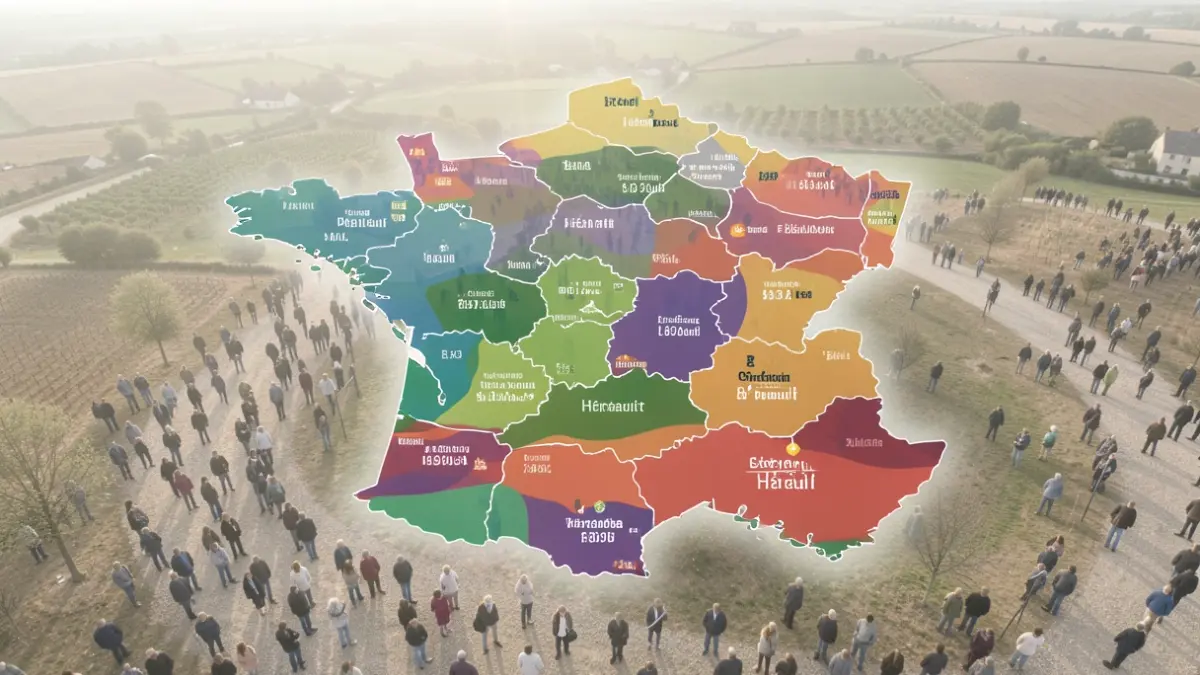
In this context, a survey conducted by Marie Arragon, a doctoral student at Nîmes University and INRAE Montpellier, aims to understand how people living in flood-prone areas of Occitanie perceive risk, why some prepare more than others, their trust in institutions, and their views on adaptation policies. The study targets adults living in flood zones in Occitanie, whether they have personally experienced a flood or not.
The goal is to better understand the human realities behind risk maps, including feelings of vulnerability, risk experience, housing and habit adaptations, relationship with the territory, and perception of prevention policies. Responses to the anonymous questionnaire, taking about 20 minutes, will help understand how adaptation policies are perceived and adopted on the ground.