In an article published on November 22, 2026, the newspaper Le Monde details the scientific advances that enabled the exploration of the La Lune shipwreck, a Louis XIV vessel sunk in 1664 at a depth of 90 meters off the coast of Toulon. The LIRMM (Laboratory of Informatics, Robotics and Microelectronics of Montpellier) is cited for its major role in developing robotic solutions adapted to deep-sea archaeology.
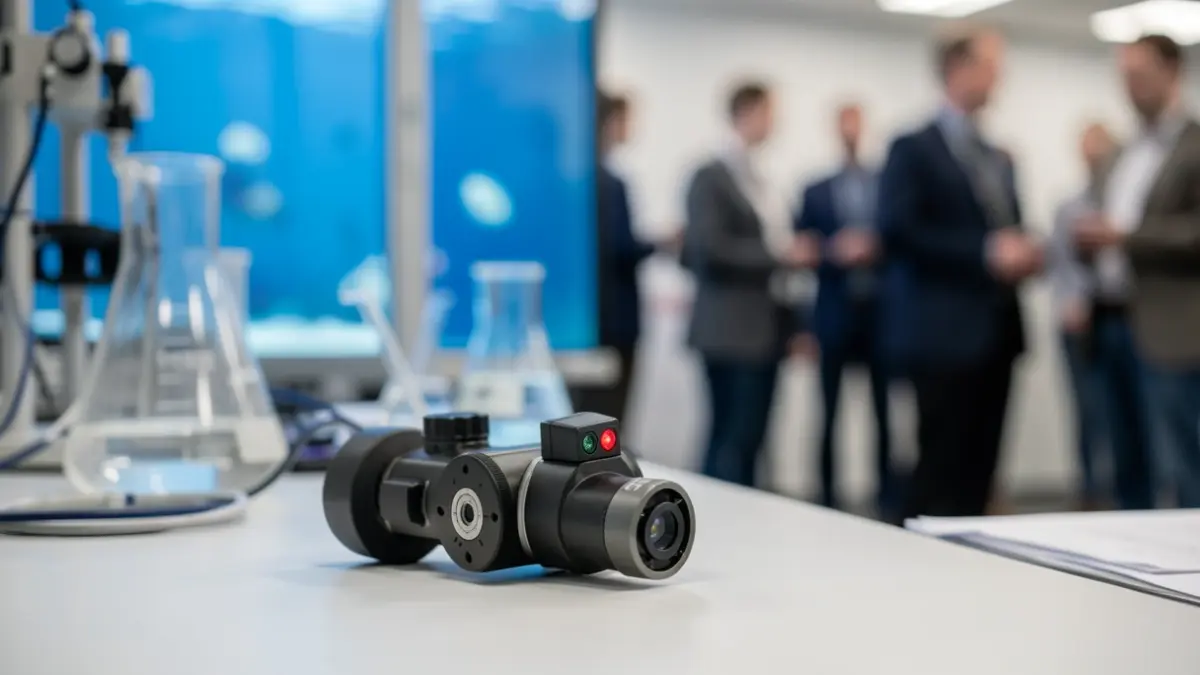
Tasked with leading this research program in collaboration with the Drassm (Department of Underwater and Subaquatic Archaeological Research), Vincent Creuze, assisted by his colleague Olivier Tempier, contributed to the design of compact underwater robots. These devices, equipped with advanced control systems, move with centimeter precision thanks to dynamic positioning algorithms.
These efforts have led to the development of teleoperated robots capable of operating up to 2,500 meters deep. This recognition highlights LIRMM's expertise in underwater robotics and its contribution to the preservation of cultural heritage.