
From October 19 to November 18, 2026, a public inquiry is open concerning the Flood Risk Prevention Plan (PPRI) for Thuir. Residents, property owners, and businesses are invited to consult the flood zone map at the town hall and meet the inquiry commissioner.
The PPRI is a document established by the State to limit the consequences of floods. It assesses risk by combining hazard (probability and intensity of a flood) and stakes (exposed people and property).
The flood zoning map was created by studying and modeling floods that have occurred over nearly a century, considering the territory's history. It indicates flooded areas, water levels reached, and the speed of water propagation.
In the Pyrénées-Orientales, flood risk is significant, marked by events like the 1940 'Aiguat' in Vallespir and more recently the Valencia catastrophe. Currently, 50% of the department's population lives in flood-prone areas.
Following the inquiry, the Prefecture will adopt the final plan, which will define non-constructible zones and set requirements for urban planning documents (PLU, building permits).
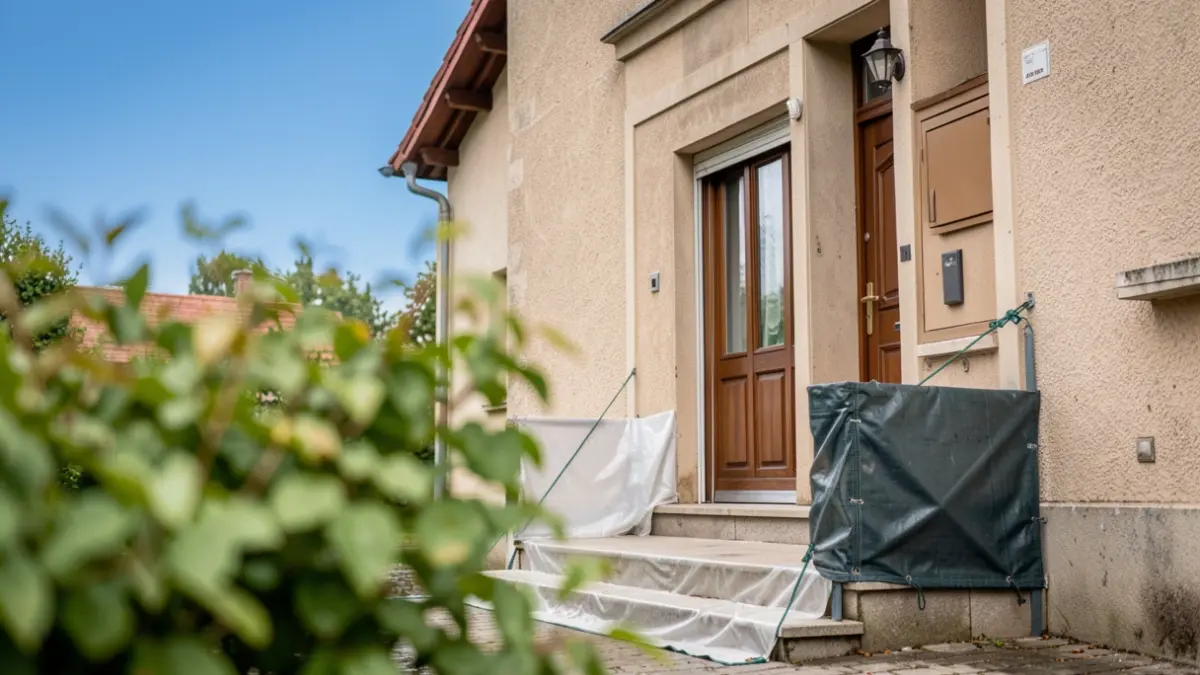
Local authorities, businesses, and property owners in flood zones will be required to undertake vulnerability reduction work. A diagnosis by an accredited study firm will determine the necessary measures, with state aid potentially covering up to 80% of the cost (up to €36,000 excluding VAT).
Affected municipalities must also implement a Communal Safeguard Plan (PCS) to organize alerts and population protection during crises, and inform the public about flood risk every two years.
During the inquiry, from October 19 to November 18, 2026, the flood zoning map can be consulted at the town hall, and residents can meet the inquiry commissioner during their scheduled sessions. Details of these sessions will be provided in the prefectural order.
To determine if your property is in a flood zone, the PPRI map is available at the town hall. If your property is in a flood zone and the regulations require it, work will be mandatory, with state aid potentially covering up to 80% of the cost.