
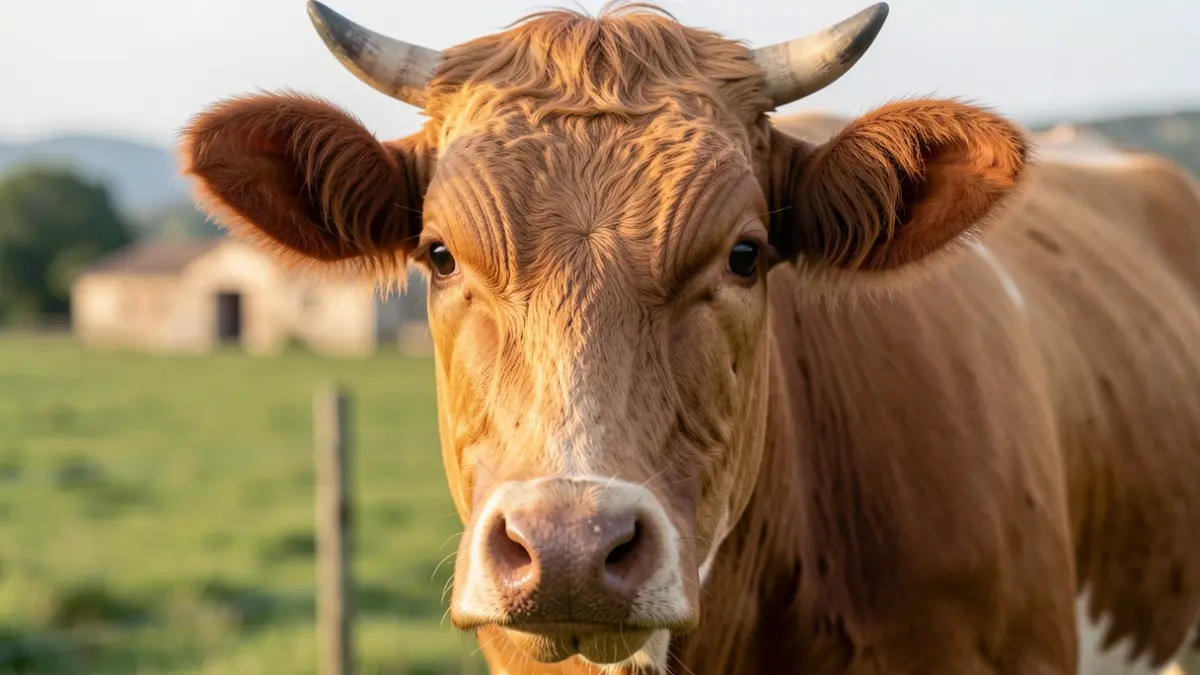
The Shamonda-Europe virus (SHAV) is now circulating in the Gers department. The Chamber of Agriculture is calling for increased vigilance among herds, highlighting a risk of financial loss related to reproductive impact. It is specified that the disease is not regulated, poses no danger of transmission to humans, and does not mandate any culling in case of infection.
In adult cattle, the subtle symptoms of the first phase include diarrhea, fever, lethargy, and a sometimes significant drop in milk production. A second phase, occurring weeks or months after the virus circulates in pregnant cows, can lead to abortions and congenital malformations in calves.
Transmission occurs through the bite of midges of the genus Culicoïdes, the same vectors as for BTV and EHDV, as well as vertical transmission from mother to offspring during gestation.
Breeders are urged to pay particular attention to abortions, even isolated ones, unusual returns to heat or fertility drops, stillborn, premature, or malformed calves, as well as episodes combining diarrhea, fever, lethargy, and/or reduced milk yield.
Currently, there is neither a vaccine nor a specific treatment for Shamonda. Prevention and recommendations therefore aim to protect herds against vector insects. This includes eliminating breeding sites such as liquid effluents and stagnant water areas, as well as disinfecting transport means.
It is advisable to contact one's veterinarian in case of acute symptoms (drop in milk production, fever, diarrhea) and to monitor any medium- to long-term impacts on reproduction. Newborn calves showing clinical signs should also be examined. In case of abortion or doubt, it is imperative to contact your veterinarian.