The goal is to facilitate animal movements. Without this transition to ZVI, ZVII would remain under that status until August 31, 2027, imposing limitations on animals not validly vaccinated. The challenge is collective, as the modification will affect the entire ZVII Occitanie.
From a health perspective, the risk of disease resurgence is significant if animals are not re-vaccinated by the end of the year, as the DNC vaccine provides 15 months of protection. Experience from other countries shows that a single vaccination season is insufficient to eradicate the disease.
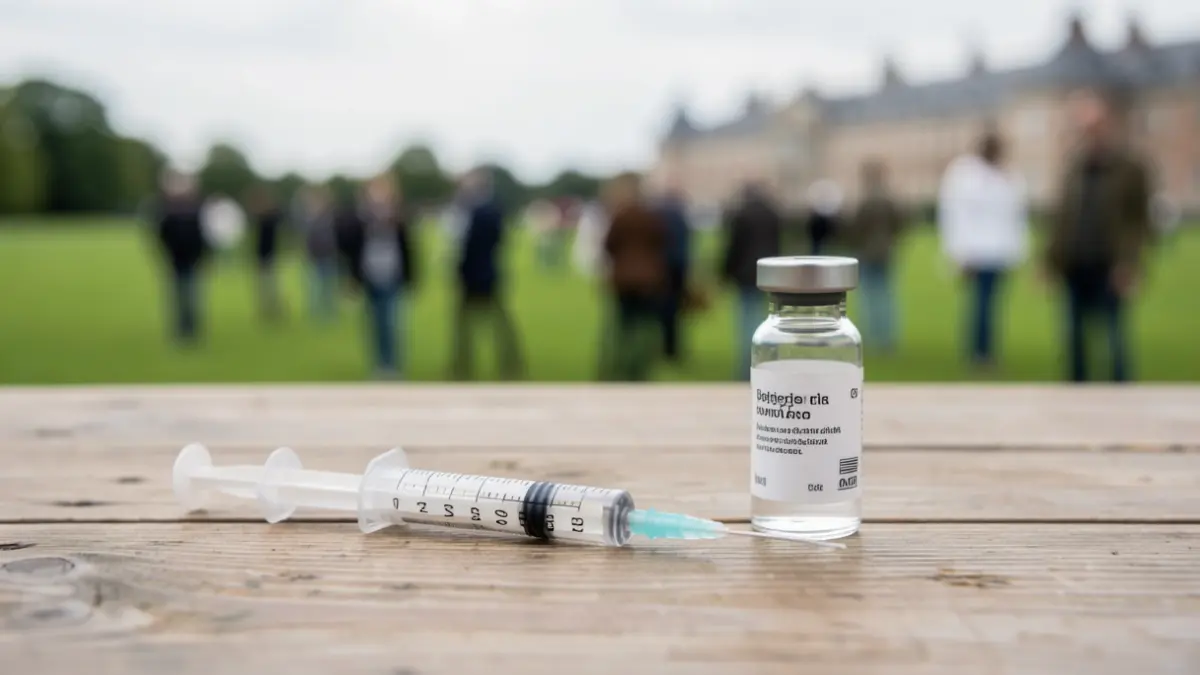
Therefore, it is essential to make every effort to widely re-vaccinate herds. This vaccination is covered by the State (vaccine dose and veterinary intervention). Farmers are encouraged to contact their veterinary practice to schedule an appointment, as multiple visits are possible to facilitate containment efforts.
Please note that unvaccinated animals will only be able to leave ZVII with a negative PCR test, costing €40 per animal.