
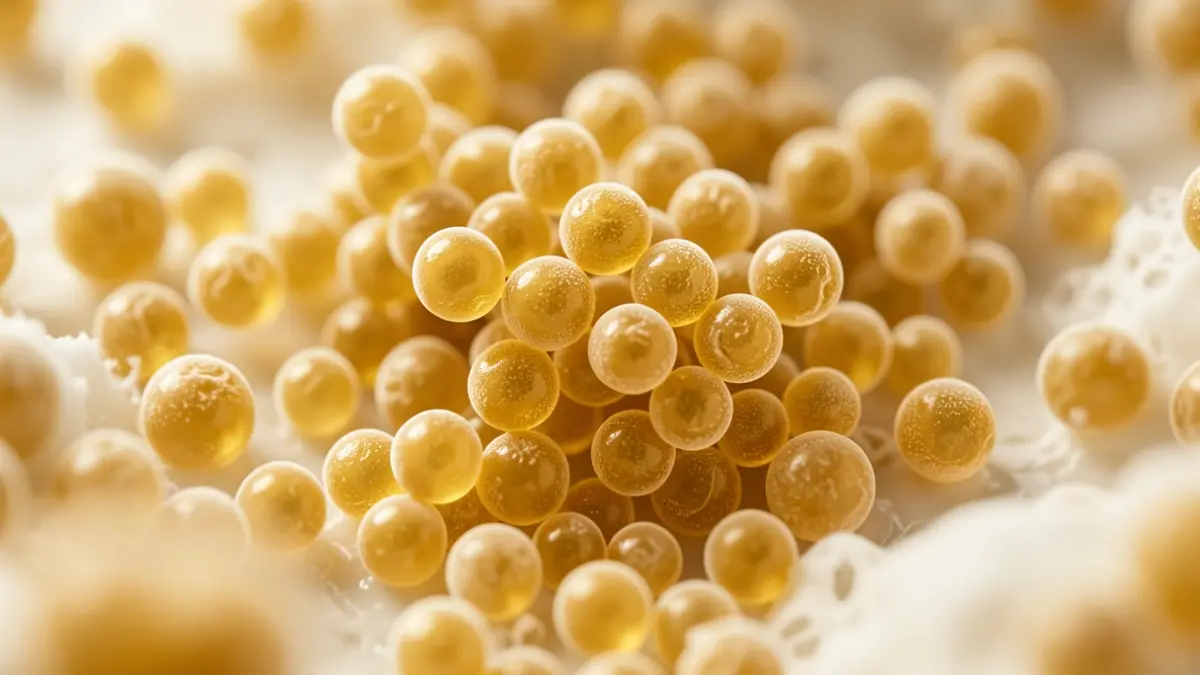
An international research team coordinated by INRAE and ENS Paris-Saclay has discovered that Staphylococcus aureus is much more robust and virulent in milk than in serum or laboratory culture media. Their findings, published in Communications Biology, show that the bacteria use milk lipids to form an approximately 3 times thicker envelope, making them much more resistant to antibiotic treatments. Additionally, this adaptation stimulates the production of a golden pigment, increasing their virulence.
Staphylococcus aureus, known for its golden-yellow pigment involved in its virulence and protection against oxidative stress, poses a major clinical challenge due to its resistance to antibiotics. Scientists compared its development in two relevant infection environments: milk, which is rich in nutrients and conducive to mastitis (mammary gland infections), and serum, a more general infection environment.
Research indicated that in milk, Staphylococcus aureus incorporates milk lipids into its membrane, creating a thicker envelope than observed in serum or laboratory settings. This more robust envelope and increased pigment production better protect the bacteria against oxidative stress and antibiotics. Tests confirmed significantly higher antibiotic resistance when the bacteria develop in milk.
These discoveries highlight a unique link between milk lipids and the severity of Staphylococcus aureus infections. The remarkable robustness of the bacteria in this environment suggests the need to adapt antibiotic therapy protocols for treating mastitis in humans and animals. Research is ongoing to develop bi-therapies combining antibiotics with molecules that block the bacteria's lipid integration.