Invasive exotic plants, introduced by humans, pose a threat to ecosystems, biodiversity, and certain human activities, potentially causing economic or health consequences. The Haut-Languedoc region is particularly affected, with 89 species recorded, 21 of which are considered of major regional importance.
This program, lasting three years (from February 3, 2025, to January 29, 2028), focuses on four complementary objectives: improving knowledge of their distribution, raising awareness and training the general public and local actors, intervening in the field through management operations and participatory workshops, and strengthening network collaboration with specialized partners. The ambition is to contribute to the eradication of the Giant Hogweed focus in the Hérault and limit the spread of Ragweed.
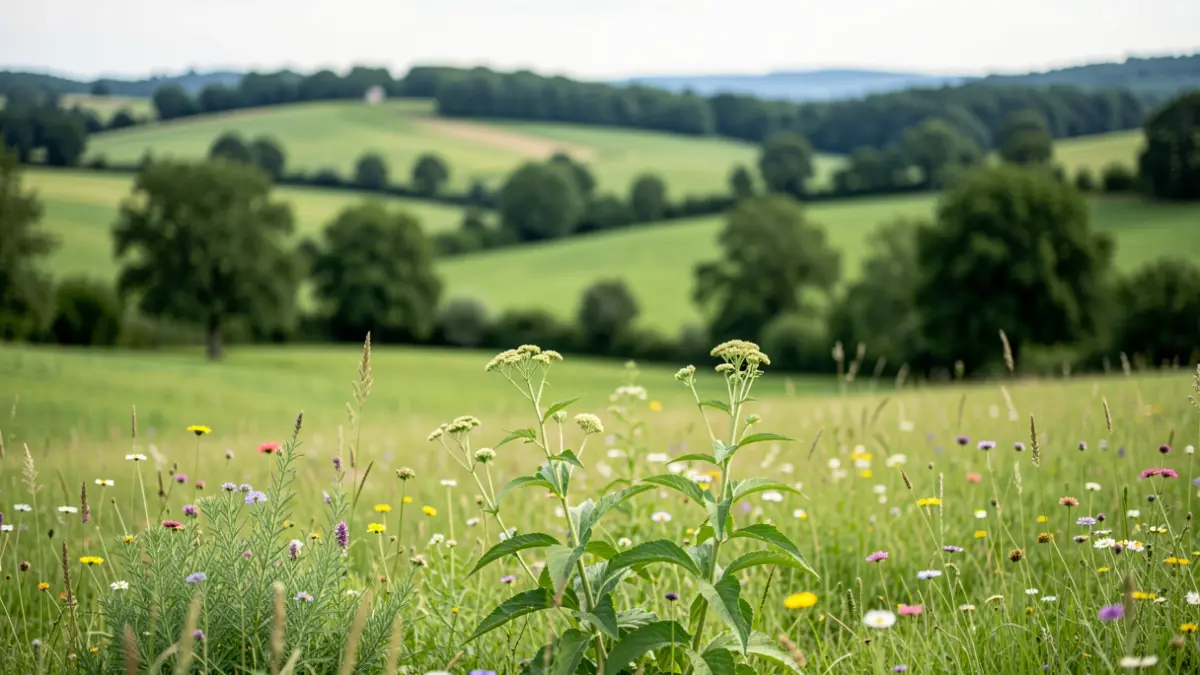
Two species are under particular surveillance: Common Ragweed (Ambrosia artemisiifolia), increasingly reported in the Haut-Languedoc, notably along the Cesse river in the Hérault department, and Giant Hogweed (Heracleum mantegazzianum), discovered on an Hérault Natura 2000 site and posing a health risk. Participatory workshops have been organized for several years to limit its development.
The Park will work directly with the concerned municipalities to establish a multi-year action dynamic. Support will include site identification, awareness and training for municipal staff, development of monitoring and control plans, and the organization of participatory and professional workshops. Initial interventions will target communes such as Castanet, Rosis, Saint-Gervais-sur-Mare (Giant Hogweed) and Agel, Aigues-Vives, La Caunette (Ragweed).
Raising awareness among residents and local stakeholders is also crucial for preventing propagation. Communication actions, training sessions, and local events will be deployed, along with the creation of a Park Technical Guide to facilitate species identification and promote best practices.
This program is supported by the expertise of the National Mediterranean Botanical Conservatory and the National Botanical Conservatory of the Pyrenees and Midi-Pyrénées, as well as technical partners like CPIE, FREDON, and basin syndicates. The total budget is €110,630, with 80% funded by the Fonds Vert.