Recent fires in the Pyrénées-Orientales, particularly the one in Trévillach in the summer of 2026, underscore the importance of land management and agriculture's role in fire risk prevention. The Prefecture of Pyrénées-Orientales launched a call for expressions of interest on July 29, 2026, to pilot 'protection belts' against forest and vegetation fires. This initiative aims to establish maintained, low-combustibility areas around urban zones, threatened by agricultural decline, recurrent droughts, and the accumulation of combustible vegetation.
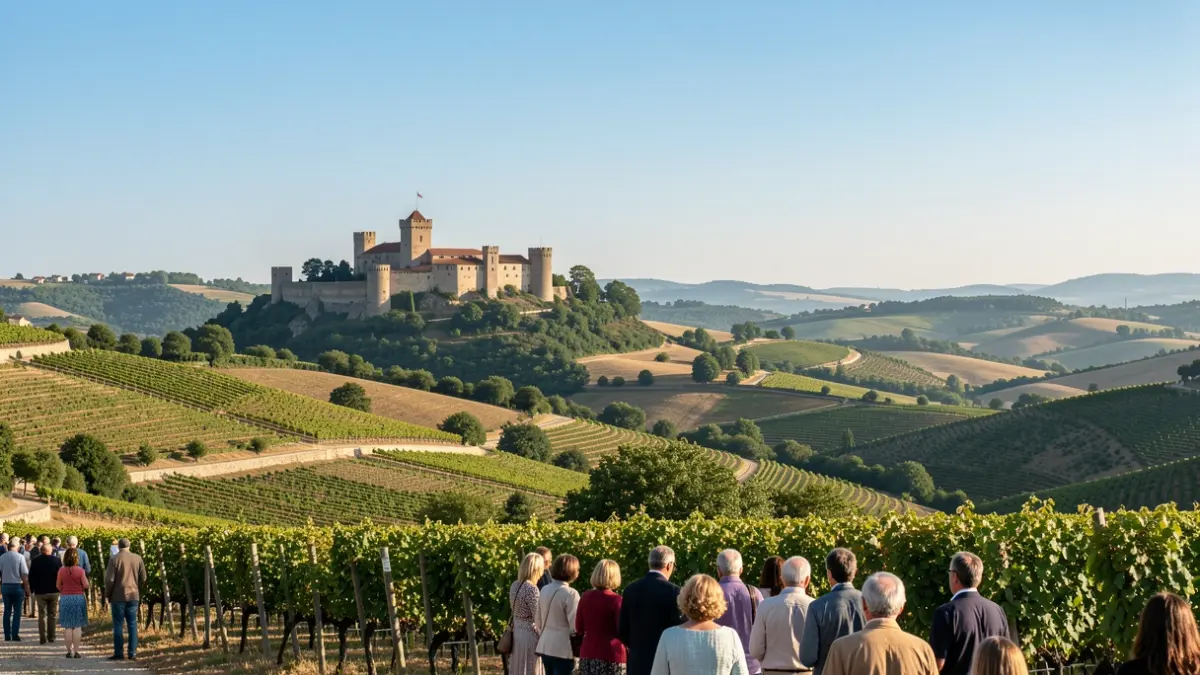
The principle involves multiple protection levels: legal clearing obligations, landscaping such as vineyards to slow fire spread, and areas where vegetation is managed through silvopastoralism. The objectives are threefold: protect populations and property, sustain agricultural and pastoral activities, and support firefighting efforts. By early September, 101 municipalities had expressed interest, with 46 identified for developing a protection belt.
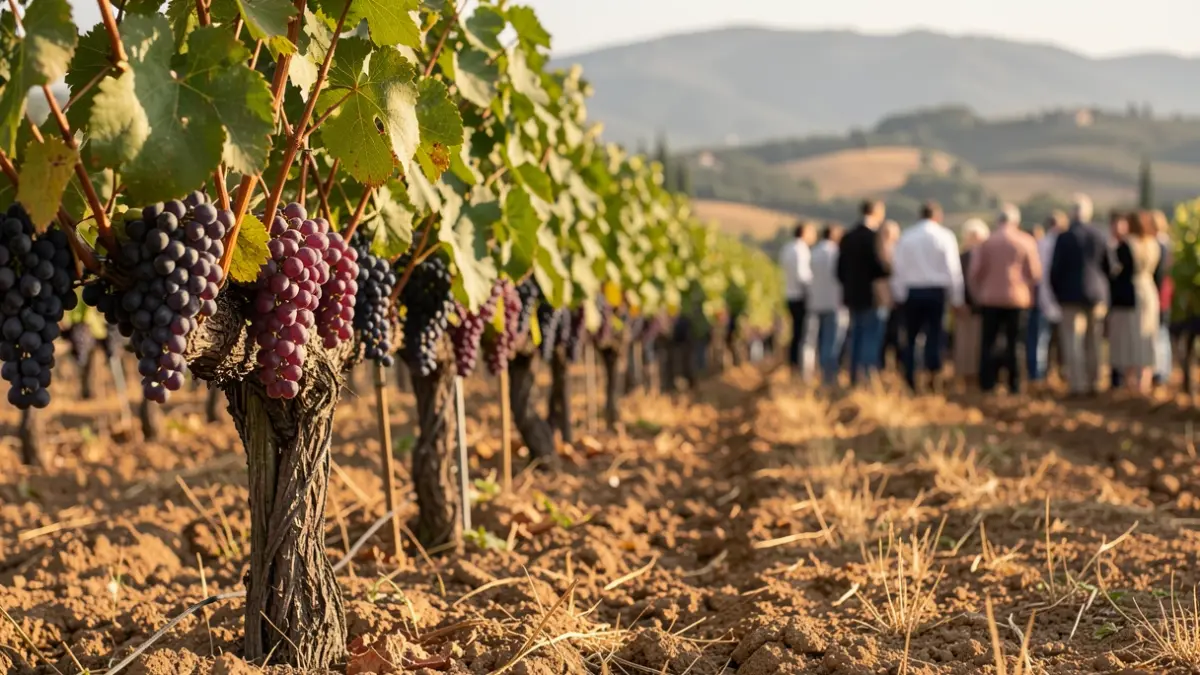
In a department marked by agricultural decline, preserving agricultural land, especially vineyards, is deemed strategic for fire prevention. It is crucial to recognize the collective benefit of these plots, which are sometimes threatened by low yields or high operating costs. The Prefecture plans to pilot payments for environmental services to compensate farmers for this land management.
The Chamber of Agriculture, involved in this experiment, has been working for years on agriculture's and pastoralism's contribution to fire risk management. The goal is to fully restore agriculture's role in territorial planning and protection, by economically recognizing the service farmers provide. Maintaining vineyards or livestock herds helps open up landscapes and protect villages.
The suitability of an agricultural activity for a protection belt depends on soil, topography, and existing farms. A territorial diagnosis is needed to identify the right activity for the right place. Viticulture and pastoralism emerge as key activities, potentially complemented by agricultural diversification if sustainable. The maintenance of these activities requires them to be economically viable or supported by compensation for the services rendered to the territory.