France is home to nearly 1,000 species of wild bees, which are essential for pollinating crops and wild plants. Their alarming decline poses a risk to food security. Researchers from the Dynafor laboratory (INRAE Occitanie-Toulouse) have developed valuable tools to monitor their evolution, understand their diversity, and strengthen their protection.
Since 2010, over 24,000 specimens of wild bees have been collected in the Pyrénées-Garonne (PYGAR) Atelier Zone. This data has enabled the creation of reference molecular databases, including a regional database with 530 individuals representing 171 species and a national database covering 94% of France's 982 species through collaboration with 16 partners from the RT Pollineco network.
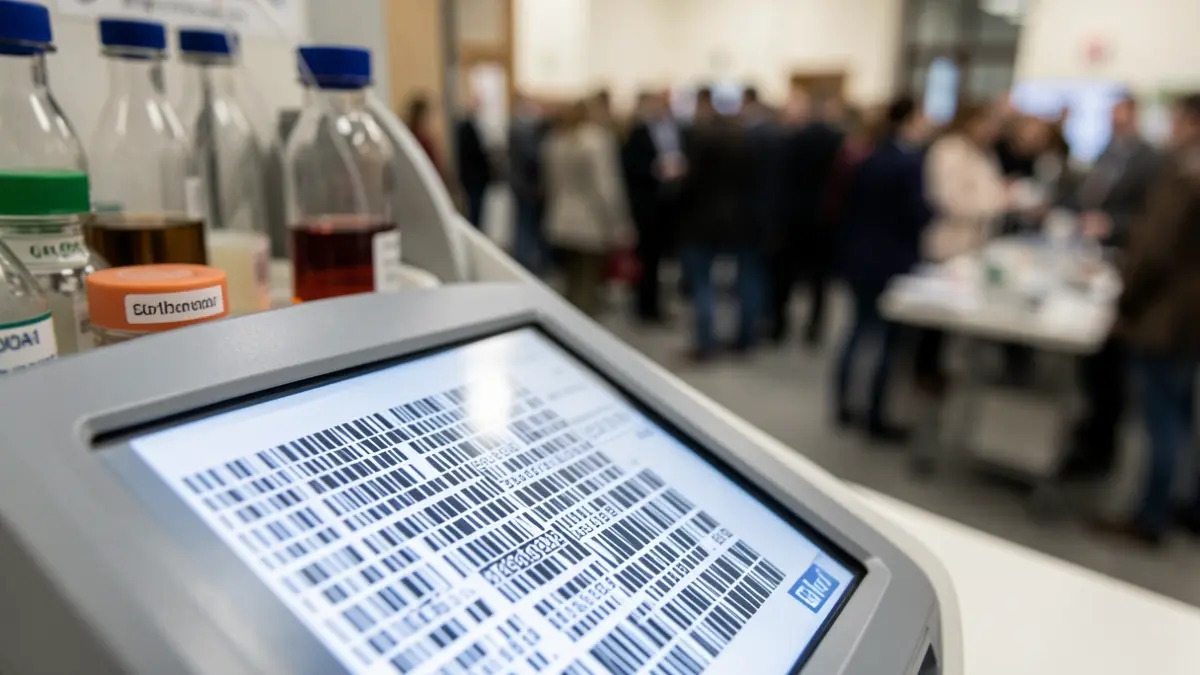
DNA analysis (DNA barcoding) combined with naturalistic inventories allows for precise species identification. This data, shared via open science, now feeds into non-lethal biodiversity monitoring projects, such as environmental DNA analysis from flowers (metabarcoding).
"These databases are a crucial first step in deploying innovative methods for pollinator monitoring, without having to capture or kill insects. They also allow us to refine the red lists of threatened species and better understand their interactions with plants," explains Magalie Pichon, a researcher at INRAE and co-author of the work.
The decline of pollinators, linked to human activities, is a global issue. This research addresses two major challenges: improving conservation through updated red lists and developing modern tools like DNA barcoding and metabarcoding for large-scale monitoring. These advances also pave the way for innovative non-lethal pollinator monitoring methods using environmental DNA analysis.
These methods could be integrated into pollinator monitoring and conservation programs, such as the National Plan for Pollinating Insects or the European EUPoMS initiative. The long-term goal is to generalize these methods for real-time biodiversity monitoring, essential for adapting protection policies.