Pancreatic cancer (PC), often diagnosed at an advanced stage, has a 10-year survival rate below 1%. Current therapeutic options, including surgery and adjuvant chemotherapy, offer limited benefits, especially for metastatic forms. The dense tumor stroma of the pancreas also poses a significant challenge to drug penetration, highlighting the urgent need for innovative strategies.
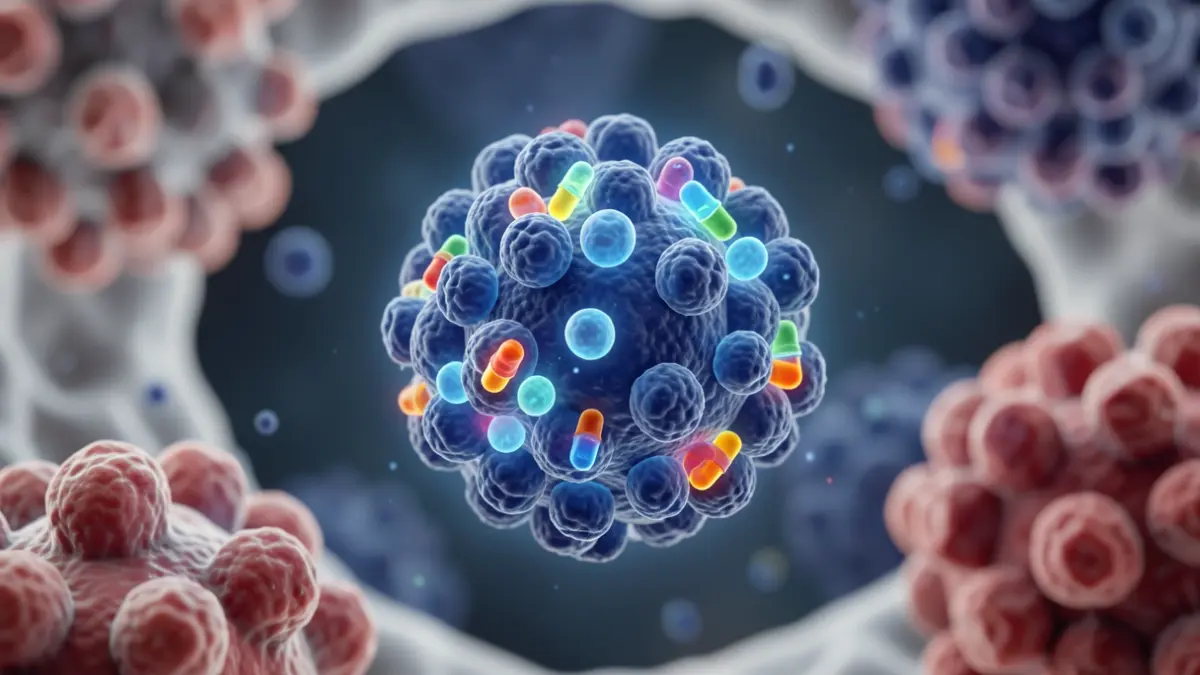
An ambitious research project, led by ICGM and IBMM, aims to design novel nanomedicines. These encapsulate CDK4 kinase inhibitors within Prussian blue photothermal nanoparticles (PBNPs). The goal is to enable controlled drug release, triggered by irradiation, to improve treatment efficacy and selectivity while overcoming the limitations of conventional administration.
This multidisciplinary collaboration brings together complementary expertise in nanochemistry, photothermal nanomaterials, biochemistry, targeted therapeutics, cancer biology, and alternative ex ovo models. The intern student will be involved in PBNP/drug system engineering, physicochemical characterization, evaluation of CDK4 inhibition and cell proliferation, and ex ovo models using the chicken chorioallantoic membrane (CAM).
The sought-after profile is a Master 2 student (or 3rd year at ENSCM) with a background in chemistry or biology, demonstrating an interest in interdisciplinary research. Good organizational skills, experimental rigor, scientific curiosity, and enthusiasm are essential for this promising project.